Understanding the Consolidated Minimum Wage Table: A Guide to Fair Labor Practices in the United States
BlogTable of Contents
- Minimum Wage Increase 2017 and Update on the Penalty Rates Decision ...
- The New Minimum Wage – Are We Ready – Dulu Lain Sekarang Lain
- Minimum
- Minimum Wage: The Debate Begins – Guardian Liberty Voice
- Minimum wage review every two years | New Straits Times
- The National Minimum Wage will go up from R25,42 to R27,58 per hour
- Minimum wage rate to increase from August
- Maine's Minimum Wage Goes to on January 1st
- Mitt Romney, Kyrsten Sinema Team Up On Bipartisan Proposal To Increase ...
- How Much is the Minimum Wage in Indonesia? - Kitapunya

What is the Consolidated Minimum Wage Table?



Key Components of the Consolidated Minimum Wage Table

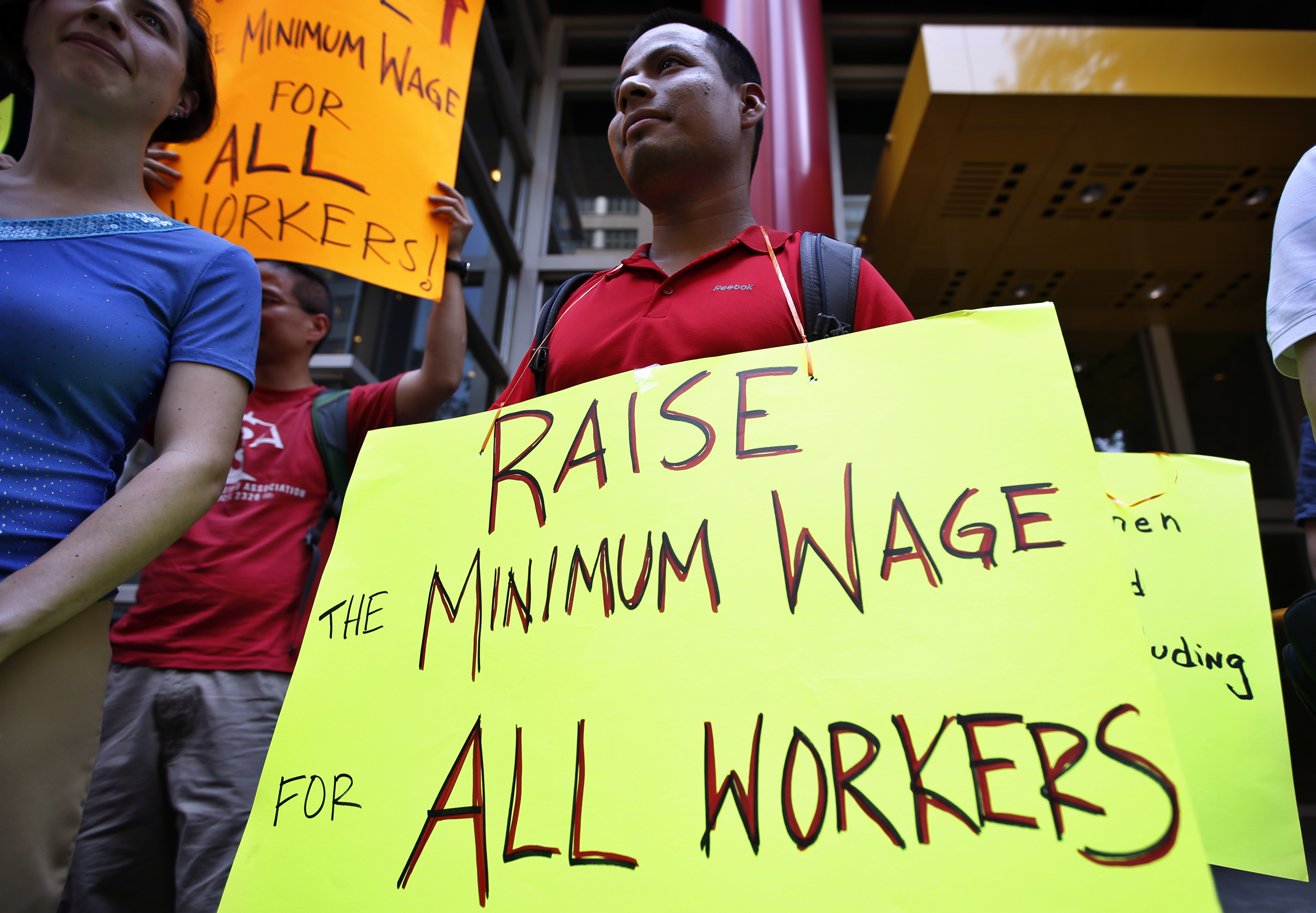
Importance of the Consolidated Minimum Wage Table
The Consolidated Minimum Wage Table plays a vital role in promoting fair labor practices in the United States. By providing a comprehensive overview of the minimum wage rates applicable to different industries and occupations, the table helps to ensure that employees are paid a fair wage for their labor. The table also helps to prevent wage theft and exploitation, as employers are aware of their obligations to pay the minimum wage rates. In conclusion, the Consolidated Minimum Wage Table is a valuable resource provided by the U.S. Department of Labor that promotes fair labor practices in the United States. By understanding the minimum wage rates applicable to different industries and occupations, employers and employees can ensure that they are complying with federal and state labor laws. As the minimum wage rates continue to evolve, it is essential to stay informed about the changes and updates to the Consolidated Minimum Wage Table. By doing so, we can work together to create a fair and equitable labor market that benefits all workers.For more information on the Consolidated Minimum Wage Table, visit the U.S. Department of Labor website. Stay up-to-date with the latest news and updates on labor laws and regulations by following the Department of Labor on Twitter and Facebook.